Uncovering Ancient Pyramid Science at Teotihuacan, Where Men Become Gods
- No Comments
Lost Civilization Discovered in the Georgian Highlands
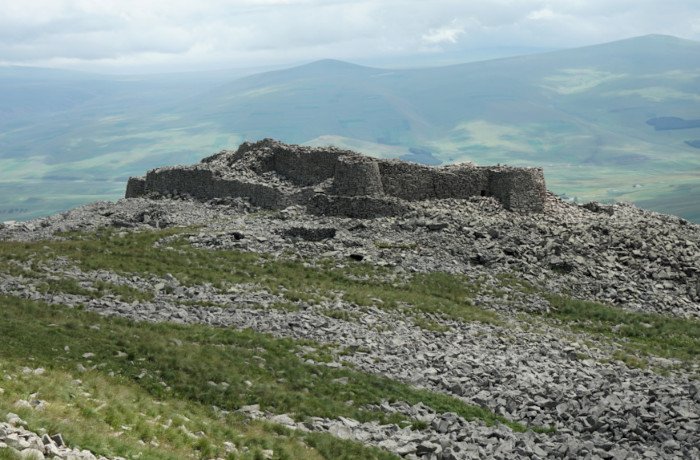
High in the rugged peaks of the South Caucasus, archaeologists have uncovered the sprawling remnants of a forgotten civilization that thrived for millennia. A new study published in Antiquity by the Samtskhe-Javakheti Archaeological Project has documented 168 ancient sites across the highlands of southern Georgia, including cyclopean fortresses, multi-phase settlements, and extensive necropolises.
These findings fundamentally shift our understanding of Bronze Age and Iron Age society in the region, revealing a complex network of communities that mastered life in extreme high-altitude environments.
168
Ancient Sites
3,300m
Peak Elevation
3500 BC
Earliest Dating
Uncovering a Blank Spot on the Map
For decades, the Samtskhe-Javakheti region was a blank spot on archaeological maps. The harsh climate and difficult terrain of the Javakheti Plateau, which sits at elevations between 1,500 and 3,300 meters, discouraged extensive historical investigation. Since 2017, however, a joint Georgian–Italian initiative has used satellite imagery, GPS mapping, and GIS-based analysis alongside targeted excavations to peel back the layers of stone and ash, exposing a vibrant civilization that occupied these highlands from the Early Bronze Age through the medieval period.
Cyclopean Fortresses and High-Altitude Settlements
The most striking discoveries of the project are the monumental cyclopean fortresses, constructed from massive, unworked basalt blocks without the use of mortar. These imposing structures, including the well-known Abuli and Shaori complexes, were not simply isolated defensive outposts.
Research by Licheli et al. (2022) suggests that rather than functioning as permanent citadels, several of these megalithic enclosures appear to have operated as temporary refuges used by mobile pastoralist groups during seasonal movements across the plateau. The project has re-evaluated their role, seeing them as dynamic spaces that bridged the practical and symbolic needs of highland communities.
Sites such as Abulis Gora and Saro-1 show evidence of repeated use from the Bronze Age onward, while extensive necropolises found near Bertakana and Lake Tabatskuri confirm persistent funerary traditions across the centuries. The discovery of thick layers of ash at several sites, including the prominently named Baraleti Natsargora, meaning “hill of ashes”, suggests that these communities experienced repeated episodes of burning, possibly the result of regional conflicts or raids.
"These ancient fortifications stand as a testament to the resilience and ingenuity of the people who built them."
A Bronze Solar Disk and Decorated Clay Plaques
Among the most remarkable individual finds is a finely decorated bronze solar disk recovered during preliminary surveys at Baraleti Natsargora. The disk features concentric bands of knobs, angular motifs, and regularly spaced perforations, exemplifying a regional tradition of symbolic metalwork linked to solar imagery and funerary display.
Comparable examples from southern Georgia are often associated with the graves of elite women, and the Baraleti specimen – now housed in the Akhalkalaki Museum – likely originated from a nearby burial. The discovery adds to a growing body of evidence for sophisticated ritual practices among the highland communities of the South Caucasus.
Excavations at Meghreki Fortress, further east on the plateau, revealed an equally compelling picture. The site shows continuous reoccupation from the Early Bronze Age Kura-Araxes culture (c. 3500–2500 BC) through the Iron Age and into the medieval period.
Two domestic structures provisionally dated to the Late Iron Age/Achaemenid horizon (c. sixth–fourth centuries BC) contained clay installations decorated with fired plaques bearing incised and painted geometric motifs in red, white, and dark blue pigments. Such elaborate decoration is uncommon in the South Caucasus, and the researchers suggest these patterned plaques may have marked ritualized or high-status domestic spaces.
A Dynamic Crossroads, Not a Marginal Landscape
The integrated analysis of survey and excavation data from Meghreki and Baraleti Natsargora has refined the cultural and chronological framework of the Javakheti Plateau considerably. Both sites present multiphase use, including intensive Iron Age occupation during a period of fortified settlement expansion across the region.
The record reveals not only conflict and hardship but also cultural persistence, material creativity, and adaptive strategies that allowed these highland communities to endure for millennia. The presence of obsidian tools sourced from distant volcanic deposits highlights the extensive trade networks that these highland dwellers participated in.
The Samtskhe-Javakheti Archaeological Project is funded by ISMEO through the Italian Ministry of University and Research, in collaboration with the Archaeological Association of Georgia and Tbilisi State University. With hundreds of sites now mapped and two excavations underway, the project is establishing a new framework for understanding this long-overlooked region.
Future campaigns will expand excavations, refine ceramic typologies, and undertake radiocarbon dating to consolidate chronological sequences. The Javakheti Plateau, the researchers conclude, was not a marginal backwater but a dynamic crossroads where stone and ash record intertwined histories of resilience, ritual, and adaptation, and where the story of a lost civilization is only now beginning to be told.
Archaeology
Bronze Age
Iron Age
Georgia
South Caucasus
Ancient Civilizations
Cyclopean Fortresses
Latest Post
Tags
Archaeology
Bronze Age
Iron Age
Georgia
South Caucasus
Ancient Civilizations
Cyclopean Fortresses